

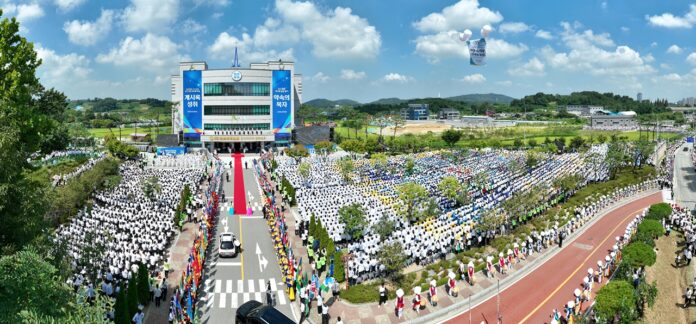
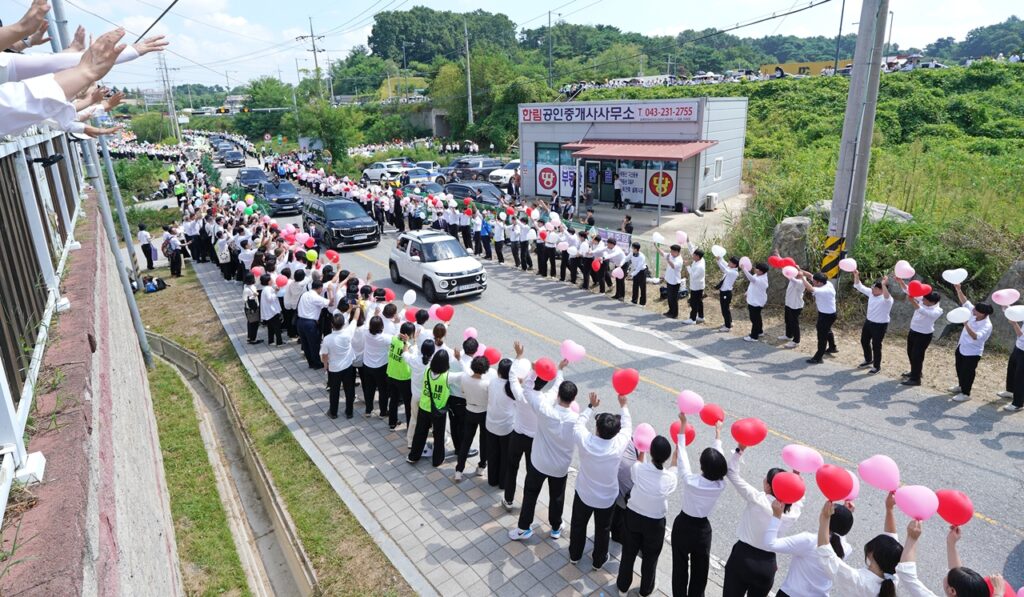
On September 8, 2024, the Shincheonji Church of Jesus in Cheongju hosted a monumental gathering, attracting around 80,000 attendees, including members from various regions and 100 Protestant pastors. This event, which commemorated the 30th anniversary of the Cheongju Church, also featured Chairman Man Hee Lee’s visit as part of his national tour.
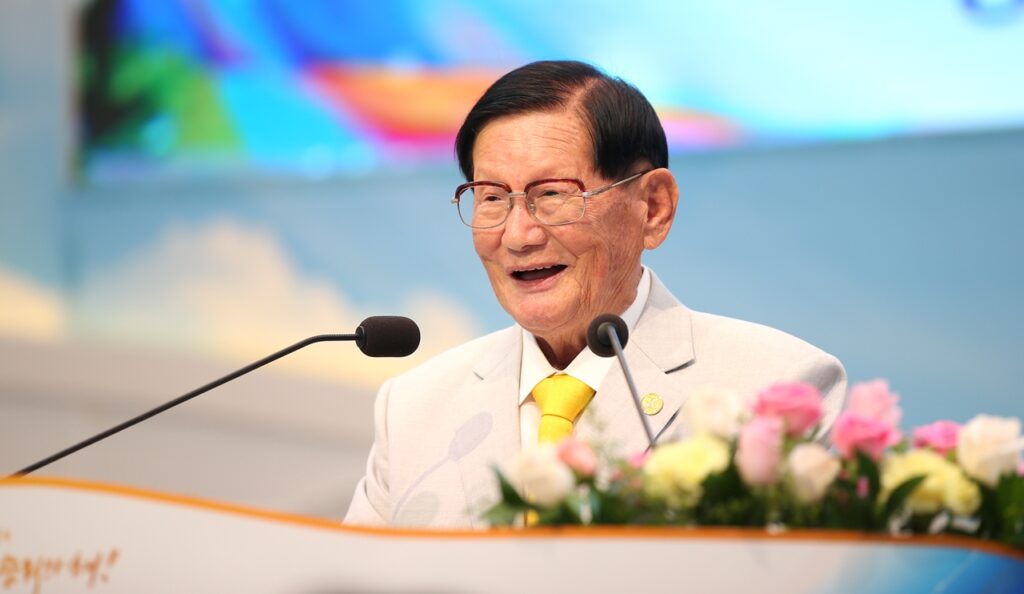
Chairman Lee emphasized the importance of understanding the Book of Revelation and adhering to a Bible-centered faith. He urged believers to have “faith that is fully consistent with God’s word,” which he believes has now been revealed in its fullness.
The event underscored the growing interest in Shincheonji’s interpretations of the Bible, particularly its teachings on the Book of Revelation. According to a recent survey by the Ministry Data Research Institute, a significant portion of Korean Protestant churchgoers (65%) report feeling “spiritually thirsty,” with 55% expressing a desire for more structured Bible education. Shincheonji’s systematic biblical courses, especially focused on Revelation, are seen as fulfilling that need. In fact, over 100,000 individuals complete Shincheonji’s 8-month biblical education course annually, and the church reports an increase in young adult membership.
Chairman Lee’s message during the gathering highlighted the significance of having a faith that aligns 100% with God’s word, as revealed in Revelation. He described this knowledge as a gift from God, stating, “How grateful should we be that God has revealed to us the words of Revelation that no one knew for 6000 years?”
This event reflects a broader shift in religious engagement within South Korea, as Shincheonji continues to attract people seeking deeper biblical understanding. The church’s emphasis on evidence-based and structured Bible teachings is drawing interest from diverse demographics, including younger adults in their 20s and 30s, as well as individuals who have been part of other Christian denominations.
This growing interest, paired with mainstream Protestant churches facing challenges such as declining youth participation, highlights an ongoing transformation in how religious communities engage with biblical teachings, both in South Korea and internationally.