

CHEONGJU, Republic of Korea
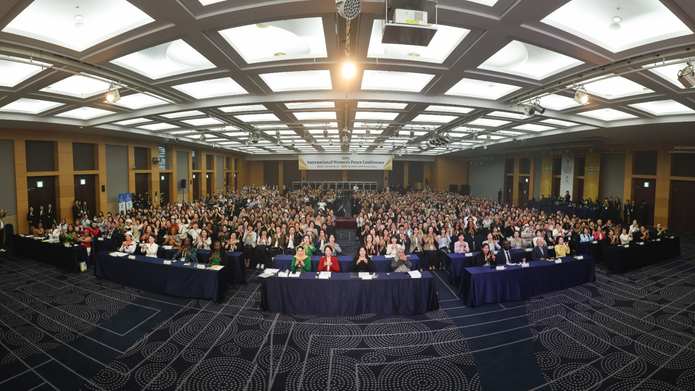
THE International Women’s Peace Group (IWPG) has concluded its 2026 International Women’s Peace Conference, adopting global recommendations aimed at strengthening women’s participation in peacebuilding, policymaking and international governance.
Held on September 17–18 at the Enford Hotel in Cheongju, South Korea, under the theme “Peace in Everyday Life, Women’s Power: Shaping Global Governance,” the conference brought together approximately 800 participants, including current and former ministers, diplomats, local government leaders, international organisation officials, educators, journalists and civil society representatives.
The conference focused on translating women’s everyday experiences of promoting peace into practical policies and international standards.
A key outcome was the signing of memoranda of understanding (MOUs) between IWPG and 12 institutions and organisations from eight countries to advance women’s empowerment and peace initiatives. The agreements provide a framework for cooperation with local governments, educational institutions and civil society organisations, including through Peace Lecturer Training Education (PLTE) and locally tailored peace programmes.
The conference also adopted the 2026 Global Women’s Peace Recommendations, developed from contributions by approximately 1,070 female leaders across 46 countries in July. The recommendations call for meaningful participation of women in decision-making, institutional support for everyday peace—including medical, legal and psychological services—and peace education for future generations.
IWPG plans to present the recommendations to international policy forums, including the United Nations Commission on the Status of Women (CSW) and the African Union (AU).
During the main session, Afghan Women’s Coalition President Fawzia Koofi stressed that peace cannot be sustainable without women’s participation in political and security negotiations.
She argued that women should not be treated solely as victims of conflict but included in decision-making on national security, public finance and political systems.
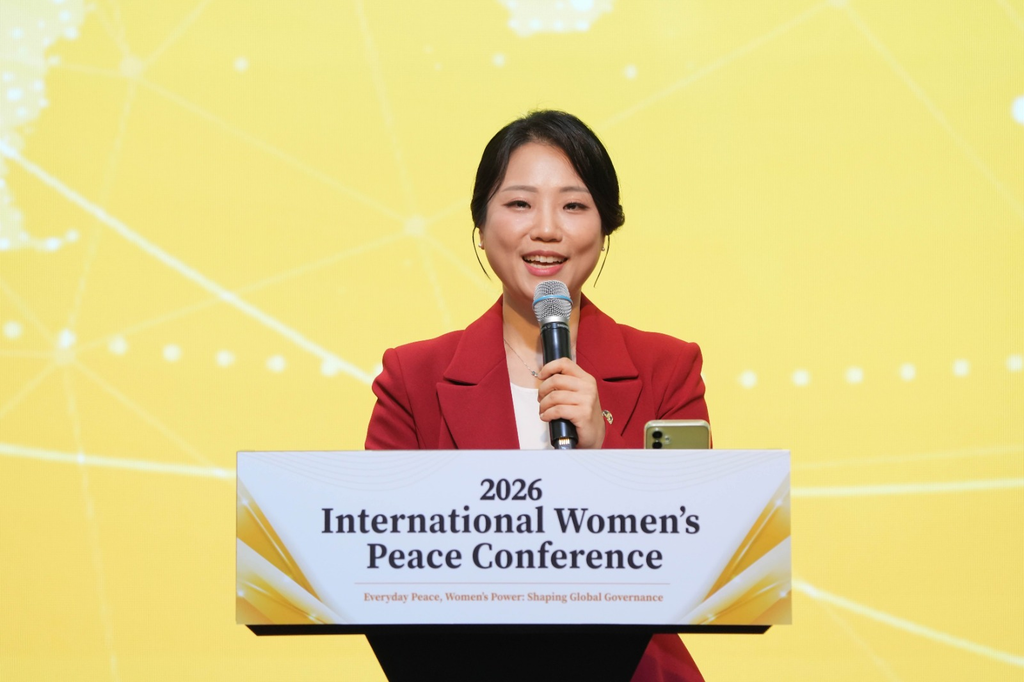
Ambato Mayor Diana Guadalupe Caiza of Ecuador highlighted the importance of education, safety and equal opportunities for women, sharing experiences of local governance informed by community care and the Andean philosophy of mutual support, known as Ayni.
Yemen’s Minister of Local Administration and State Minister for Women’s Policies, Ahed Mohammed Salem Gasos, emphasised that women’s experiences of sustaining communities during civil war should inform post-conflict recovery and reconstruction.
The conference also expanded international cooperation through four side sessions held on September 17 with partner organisations, addressing artificial intelligence and peace, peace education and women’s leadership, future generations, and civil society’s role in peacebuilding.
On September 18, a new academic networking session explored ways to integrate peace education into schools and universities. Participants discussed Mexico’s Autonomous University of Tabasco Juárez (UJAT), which established a campus Peace Committee and trained certified peace instructors through PLTE.
IWPG also announced plans to transform its decade-old Peace Committee into community-based “Peace Chapters,” while developing the existing committee into a specialist policy advisory body.
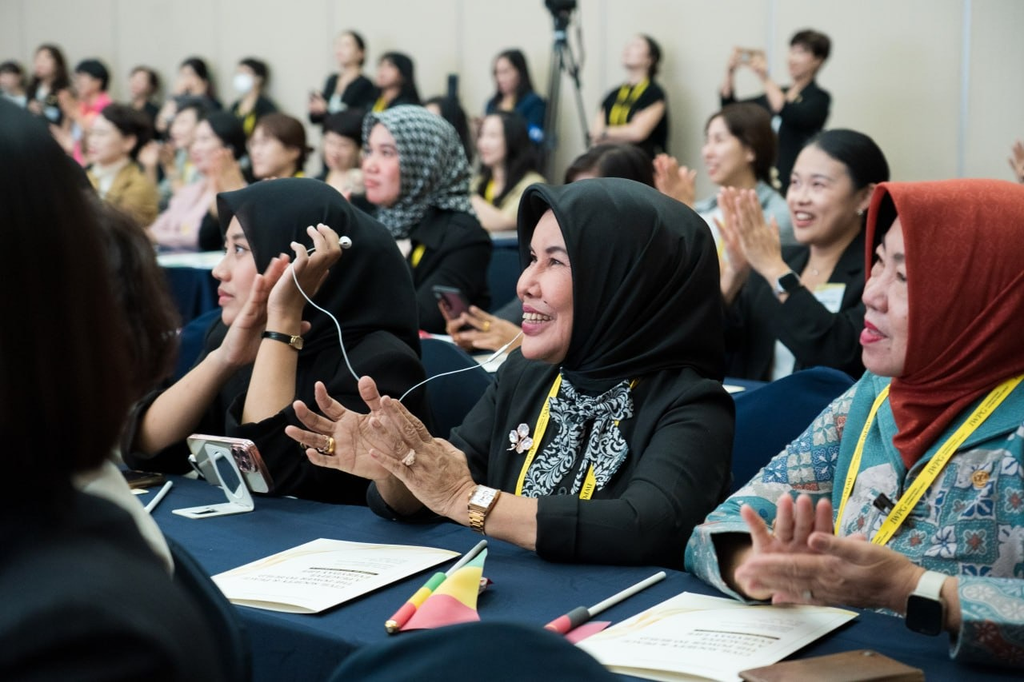
In her keynote address, IWPG President Na-yeong Jeon said women’s everyday experiences provide important lessons for shaping global governance, calling for those experiences to inform policies, decisions and international discussions.
IWPG Secretary-General Choi Kyung-nam said the organisation would continue connecting women’s voices worldwide and helping translate their experiences into practical action and institutional change.
Headquartered in South Korea, IWPG is an international women’s peace non-governmental organisation registered with the United Nations Economic and Social Council (ECOSOC) and the UN Department of Global Communications (DGC). It operates through 105 branches and approximately 900 partner organisations worldwide, promoting peace education, a culture of peace and women’s participation in peace policy.